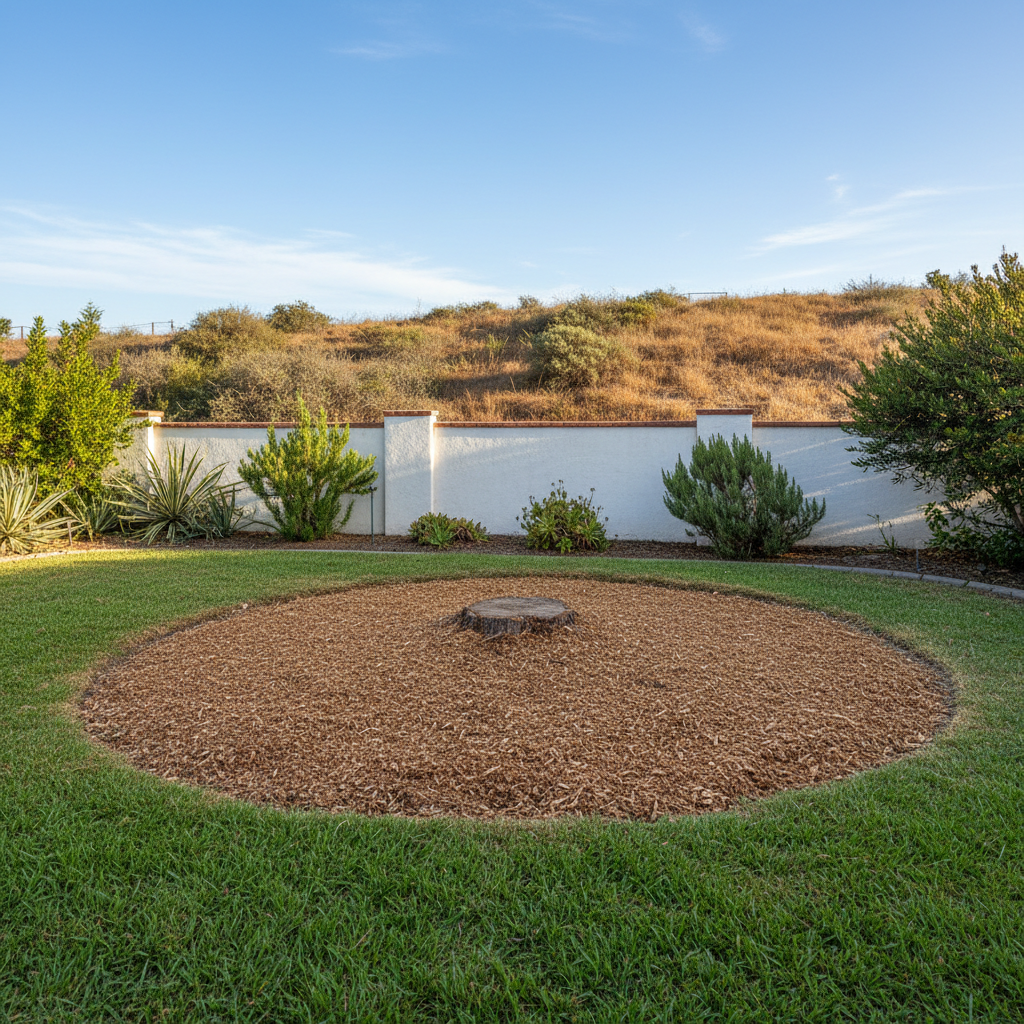
So, you finally got rid of that old, ugly tree stump. Maybe you had National City Tree Service come out and grind it down, or perhaps you opted for full removal. Either way, you've invested in clearing up your yard, and you want that spot to stay clear and healthy. That's smart. A lot of folks think once the stump is gone, the work's done. But keeping that area in good shape takes a little ongoing attention, especially with our specific climate here in National City.
Extending the Life of Your Stump Removal Work
When we grind a stump, we're usually going down 6 to 12 inches below grade. That leaves a pit full of wood chips and soil. The 'life' of the work, in this case, means keeping that area from becoming a problem again. The biggest thing you can do is manage the decomposition and prevent regrowth.
- Fill it right: After grinding, you'll have a hole. Don't just leave it. Mix the wood chips with good quality topsoil – about a 50/50 mix is usually fine. This helps the chips break down faster and provides a better base for new planting. If you just fill it with pure wood chips, it'll settle unevenly and can create nutrient deficiencies for anything you try to plant there later.
- Water it in: Once you've filled the hole, water it thoroughly. This helps the soil and chips settle. You might need to add more fill after a few days as it compacts.
- Consider a cover crop: If you're not planning to plant a new tree or shrub right away, a temporary cover crop like clover can help stabilize the soil, add nutrients, and prevent weeds from taking over.
Regular Maintenance for the Stump Site
This isn't rocket science, but a little regular check-up goes a long way.
- Monitor settling: Over time, those wood chips will decompose, and the soil will settle. You'll likely see a depression form. Just add more topsoil as needed to keep the area level with the surrounding ground. This is especially true in our dry National City summers; the soil can really compact when it gets baked.
- Watch for sprouts: Even after grinding, some tree species, especially those with aggressive root systems like certain ficus or eucalyptus that you see around Paradise Hills, can try to send up new shoots from remaining roots. If you see any, cut them back immediately or pull them out. The sooner you get them, the less energy the root system has to recover.
- Keep it clear: Don't let weeds or other unwanted plants take root in the area. They compete for nutrients and can hide potential issues. A little weeding now and then keeps the spot tidy and healthy.
- Drainage is key: Make sure the area drains well. You don't want water pooling in the old stump hole, as this can lead to fungal growth or attract pests. If you notice pooling, you might need to adjust the grade slightly with more soil.
Warning Signs of Problems
You've done the work, but sometimes things pop up. Here's what to look out for:
- Persistent sprouting: A few sprouts here and there are normal, but if you're constantly battling a dense thicket of new growth, it means the root system is still very much alive and kicking.
- Fungal growth: Mushrooms or other fungi appearing around the old stump area can indicate that there's still a lot of decomposing wood underneath, which can sometimes attract pests or be a sign of excessive moisture.
- Unusual depressions: While some settling is normal, a sudden, deep depression might mean a larger piece of wood underground has rotted out quickly, creating a void.
- Pest activity: Termites, carpenter ants, or other wood-boring insects can be attracted to decaying wood. If you see signs of these pests in the stump area, it's a red flag.
When to Call a Professional
Most of the time, you can handle the basic maintenance yourself. But there are definitely times when it's better to bring in the pros.
- Stubborn regrowth: If you've tried everything and those sprouts just won't quit, you might need a professional application of a targeted herbicide or a deeper grind to truly eliminate the root system. We can assess the species and recommend the best approach.
- Large-scale fungal issues or pest infestations: If you're seeing extensive fungal growth or suspect a serious pest problem, don't mess around. These can spread to other parts of your yard or even your home. A professional can identify the issue and treat it safely.
- Major settling or drainage problems: If the area is sinking significantly or creating persistent water pooling that you can't fix with simple topsoil, there might be a larger issue with the subsoil or remaining wood. We can evaluate the site and suggest solutions, whether it's more extensive filling or addressing underlying drainage.
- Planning new construction or extensive landscaping: If you're putting in a new patio, foundation, or a large garden bed over the old stump site, you want to be absolutely sure there are no surprises underground. We can perform a deeper inspection or removal to ensure a stable base for your project.
Taking care of that stump site isn't a huge chore, but it's an important one. A little effort now means you won't have bigger headaches down the road. If you've got questions or run into something you can't handle, you know who to call. We're here to help keep your National City property looking its best.